In aviation, the change of the seasons represents a fundamental shift in physics and operating here on Minnesota's Iron Range, home to Range Regional Airport (KHIB), we know harsh conditions well. The snowy landscape is beautiful, but sub-zero temperatures and quick weather changes demand extra care to keep an aircraft airworthy.
Winter operations demand more than a simple pre-flight check because the cold affects everything, from engine oil thickness to the integrity of seals and the performance of your avionics. A professional Fixed Base Operator (FBO) becomes essential at this point. Using specialized FBO aviation services helps significantly reduce the risks of cold-weather flying.
Easing Cold-Start Stress with Heated Hangars
A cold start is a major threat to an aircraft engine in winter. Different metals inside an engine (aluminum, steel, and magnesium) expand and contract at varying rates. When the engine is soaked with cold, internal spaces tighten. Oil becomes thick, like molasses. Starting an engine in this state causes significant friction. The friction can lead to piston scuffing, cylinder cracks, or early bearing wear.
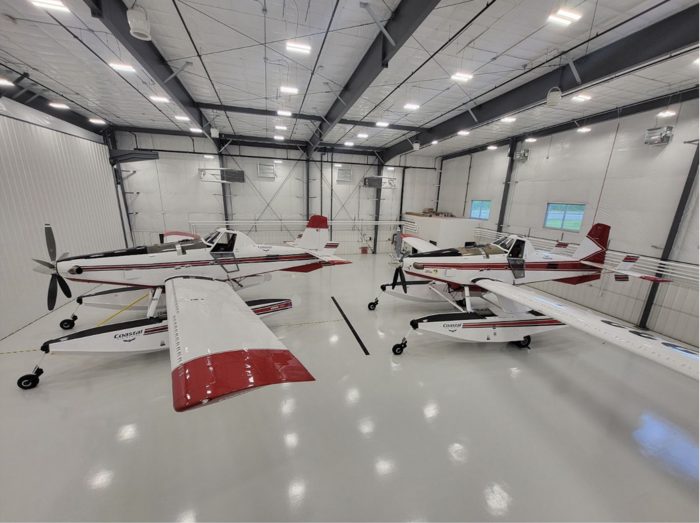
High-quality FBO aviation services should have a solution to resolve this issue. We offer heated hangar space, if available. Using heated hangar space, good thermal management allows for smooth starts. It preserves battery life and reduces wear and tear on your investment. Call in advance to know if hangar space is available.
Keeping Fuel Clean in Sub-Zero Conditions
Fuel management is crucial in winter. The main issue is water condensation, which forms in tanks as temperatures fluctuate. Condensation often happens when an aircraft with partially full tanks moves from a cold flight into a warmer hangar, or vice versa. In freezing conditions, the suspended water turns into ice crystals. These crystals can block fuel lines or clog filters, causing fuel starvation.
An experienced airport FBO team closely monitors fuel quality. Draining fuel sumps to check for contaminants is required. Doing so removes heavier water that settles at the tank bottom. Pilots should also use approved fuel anti-icing additives (like Prist) for many aircraft. The line service technicians at the Hibbing Fueling Facility perform quality control – quality assurance testing on a daily basis. They make sure the Jet A or 100LL in your wings is clean and correctly treated for conditions at altitude.
The Science Behind Deicing and Anti-Icing
A clean wing is vital for lift. A layer of frost as thin as coarse sandpaper dramatically reduces aerodynamic performance. It can decrease lift by up to 30% and increase drag by 40%. Winter operations demand a systematic method for deicing (removing contaminants) and anti-icing (preventing buildup).
We use industry-standard fluids at Range Regional Airport. The use of these fluids ensures your airframe meets the "Clean Aircraft Concept." We coordinate closely with pilots. We apply the fluids within appropriate hold-over times. This ensures the fluid remains effective until takeoff. The coordination is key to minimizing ground delays. It stops the fluid from failing before departure. The process ensures that your aircraft maintains its critical lift properties during its climb out.
Oil and Hydraulics in Winter
Engine oils, greases, and hydraulic fluids thicken severely as temperatures drop. The higher viscosity makes flight controls sluggish. Landing gear retraction becomes slow. The internal friction increases, stressing pumps. Hydraulic seals can shrink in extreme cold. This shrinking can cause leaks in braking systems or shock struts.
A strong winter plan includes switching to winter-grade lubricants. It also involves ensuring proper warm-up phases. An attentive FBO team can provide ground power units (GPUs) to help with electrical loads. Using a GPU allows you to cycle the propeller, flaps, and other systems. This circulates warm fluid without draining your battery. It makes sure the aircraft feels responsive and familiar, despite the cold.
Hangar and Avionics Protection
Leaving an aircraft exposed on a frozen ramp allows frost to build up on windshields. It can also damage delicate avionics. LCD screens become unresponsive or "ghost" in extreme cold. Interior plastics or upholstery may become brittle and crack. A cold-soaked cabin is also uncomfortable and possibly unsafe for occupants.
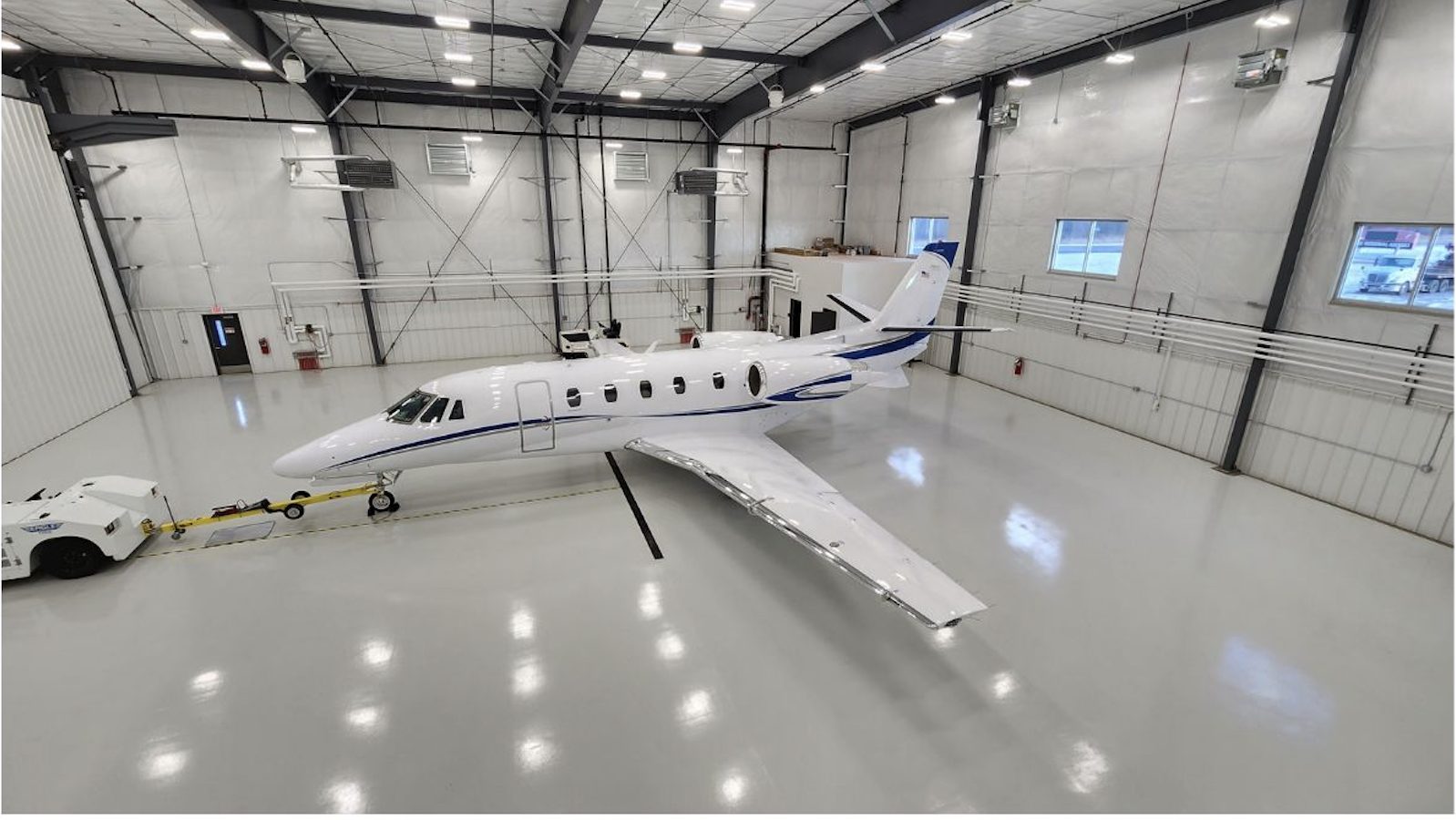
Access to a heated hangar is a top service. It protects the aircraft from deep cold-soaking. Our heated hangars at Range Regional Airport prevent thermal shock to avionics. They offer a comfortable place for passengers to board, away from the biting wind. For charter operators and medical flights, this readiness is essential. It ensures the aircraft is warm, ice-free, and ready to fly instantly.
Corrosion and Moisture
Winter weather can be quite damp when a cold aircraft moves into a warm hangar, and condensation forms on metal surfaces. Moisture can get trapped in the engine, airframe cavities, and avionics bays. Over time, this cycle of freezing and thawing leads to corrosion. Corrosion is a silent threat to an aircraft’s value.
Effective moisture control involves managing humidity. Our heated facilities circulate air. The circulation helps dry out hidden pockets of moisture. It protects internal components and structural members from corrosive effects. Corrosion might not be visible until the next major inspection. This is especially important for aircraft sitting idle for weeks during the winter.
Winter Inspections and Crew Training
The human factor is as important as the mechanical one. Winter requires tough inspections. Crews must check de-ice boots for tears. Control cables need checking for proper tension, which changes with temperature. Landing gear oleo struts require inspection for proper extension.
Our partners at TNT Airworks have decades of experience with these inspections at Range Regional Airport. Our line crew also receives specialized training for cold-weather operations. Training ensures they can safely tow aircraft on icy ramps and operate deicing equipment effectively. We act as a second set of eyes on the ground. We help pilots spot potential freeze-up issues before they turn into airborne emergencies.
Contact Range Regional Airport for More About FBO Airport Services
Winter flying in Minnesota is a rewarding challenge that requires preparation and the right support. By utilizing the comprehensive services at Range Regional Airport, you are placing your aircraft in the hands of professionals who understand the specific demands of cold-weather aviation.
For more information on our FBO airport amenities, hangar availability, or to schedule a service, please contact us online today.